Don’t let a first glance deceive you – even a “clean”-looking interior can harbour a surprising amount of dirt! Pay attention to all the surfaces you interact with every day: the steering wheel, seats, floor mats, door handles, the centre console, and the dashboard. Each of these picks up the inevitable build-up of dust, food particles, hand oils, moisture, and the general grime that accumulates over time.
This is where an interior sanitizing service comes into play. It’s not just about aesthetics; it’s also a way to address the hidden dirt that a quick vacuum or wipe-down often misses.
For vehicle owners in and around Hamilton, the interior environment can get pretty dynamic. Cars get used for all sorts of journeys, from daily commutes to school runs and weekend excursions, with the potential for food, spills and even pets to add another layer of challenge.
What Is an Interior Sanitizing Service?
An interior sanitizing service is essentially a much more in-depth clean of a vehicle’s interior. It’s far more comprehensive than simply tossing out any rubbish and vacuuming.
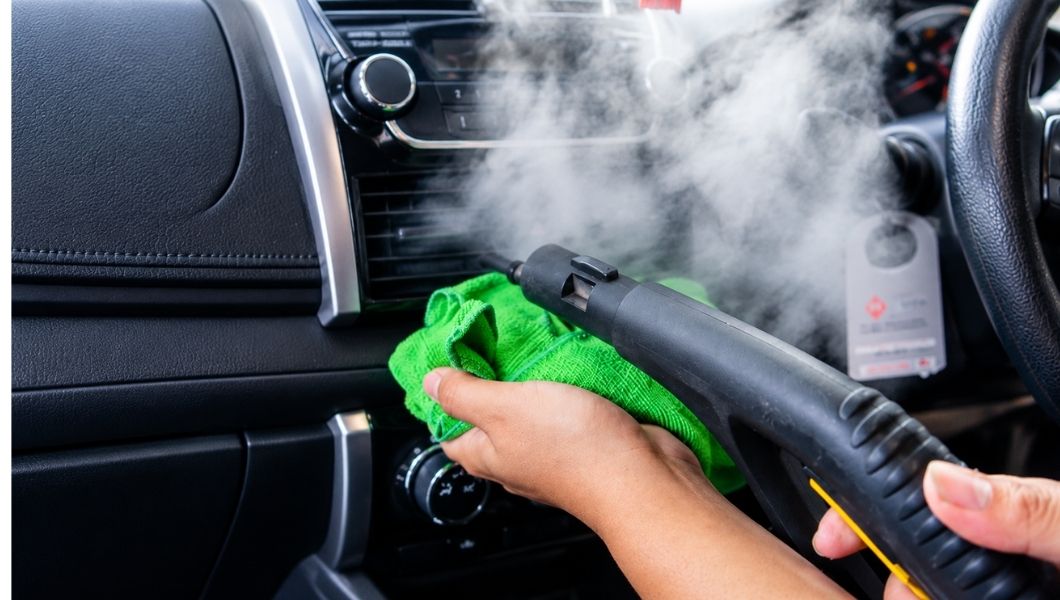
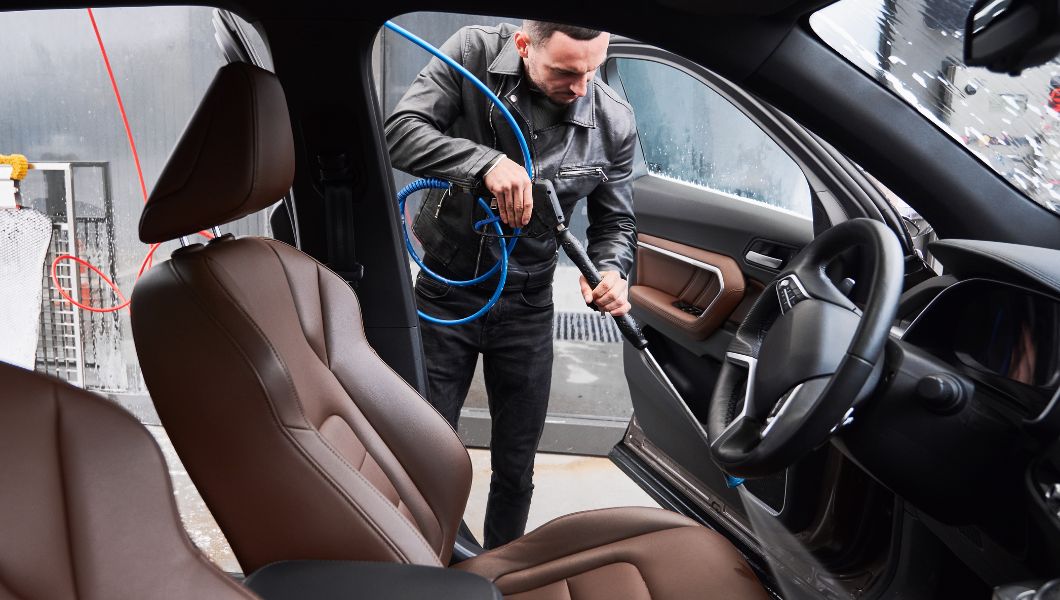
The process typically involves treating the seats, upholstery, floor mats, carpets, dashboard, centre console, door panels, and any other part of the interior that gets touched frequently. Detailers can also carefully clean all those little nooks and crannies, like around cup holders, within storage spaces and in the air vents – the places where dirt tends to accumulate.
It’s crucial for the cleaning method and products to be specific to each surface. A fabric seat will require different treatment than a leather one, a clean that looks after the material while still getting rid of grime is essential.
Why Does Interior Sanitizing Matter?
Your car is an enclosed space and that means the smaller amounts of mess that accumulate can add up remarkably quickly. A spilled drink one day, some crumbs the next, week after week of dust and before you know it, the look and feel of the interior have changed noticeably.
A simple wipe might deal with surface dirt but it often fails to reach all the little nooks and crannies. Between the seat seams, under the seat rails, or buried deep down under floor mats, dirt can build up out of sight.
Even the surfaces you’re always in touch with, like the steering wheel, door handles, gear lever, switches and armrests – these all collect hand oils and grime on a daily basis,.
That’s not to say every car needs an exhaustive deep clean every week; it’s simply about recognising the benefits of a deeper clean from time to time.
What Does Regular Cleaning Miss?
Regular cleaning is an essential part of car maintenance; it keeps the interior looking presentable by dealing with any rubbish, vacuuming carpets and wiping down dashboards.
The real difference comes with tackling those more hard-to-reach places where dirt accumulates without obvious visual indications.
Take a look under the front seats, around the seat rails, under any centre consoles and especially around cup holders. These are often missed in day-to-day cleaning.
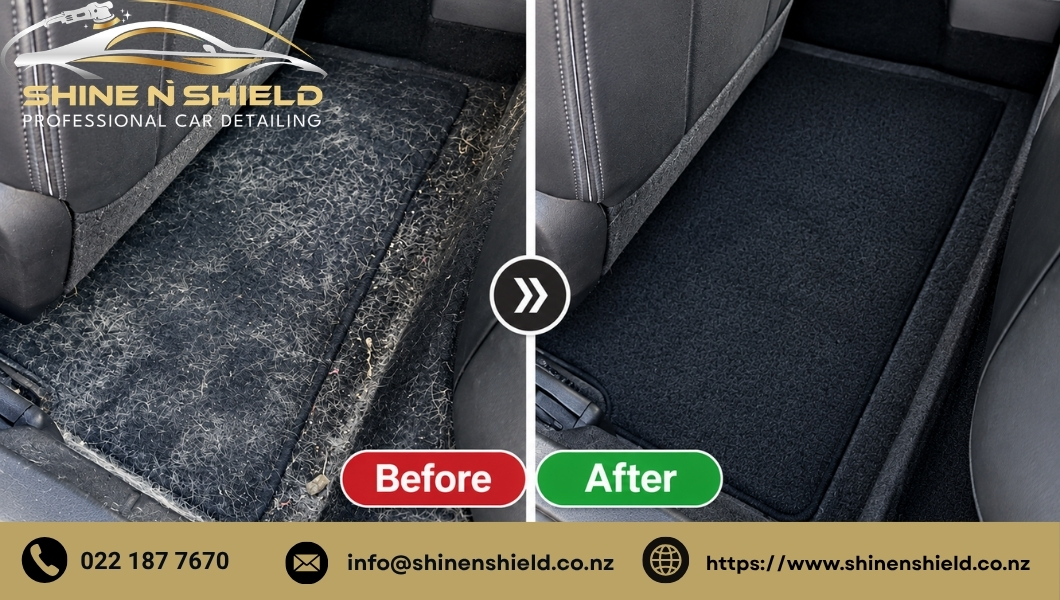
Floor mats especially – more than just picking up a visible layer of dust and grit – accumulate and hide a build-up in their weave. The same is true for upholstered seats too; they can hold residue and spills deep within the fabric.
Interior sanitizing pays attention to all of these areas and can be a welcome service when routine cleaning is simply no longer cutting it.
Signs Your Car Interior Needs a Deeper Clean
There’s no need to wait for your interior to become visibly soiling. These subtle signs can indicate your vehicle would benefit from a more professional clean;
Lingering Odours
An air freshener is an effective short-term solution for masking unpleasant smells, but it rarely eliminates the cause. A spills, damp mats, residue in a seat, or interior dirt can be the root of a persistent odor that even strong fragrance can’t entirely eradicate. Instead, it makes far more sense to treat the problem itself rather than covering up its symptoms with yet more scent.
Grimy High-Touch Areas
There are certain surfaces in a vehicle that are touched almost constantly, such as the steering wheel, door handles, armrests, switches, and the central console. These areas inevitably pick up hand oils and general grime over time. A quick wipe can help, but a more thorough clean is sometimes necessary to restore them to their original finish and remove that slightly greasy feel.
Stains That Keep Coming Back
Spills can be tricky. While a wipe can remove the visible residue on the surface, some staining can seep into the fibres of the seat material or the carpet beneath, only to re-emerge later. A professional interior sanitizing clean uses the right cleaning agents and techniques designed to treat upholstery and carpets effectively, rather than simply attempting to surface wipe away stains. If a particular stain keeps reappearing after you’ve tried to clean it, it might be time for a specialist approach.
A Cabin That Looks Tired
Sometimes there isn’t a single glaring issue like a stain or a strong odour; instead, the whole interior simply looks, well, a bit worn out.
The dashboard could be looking dulled by dust, the carpets might have lost their fresh sheen, and those small marks and smudges tend to build up everywhere over time.
When multiple small signs like this start to appear together, a comprehensive interior clean offers a more holistic and efficient solution than addressing each problem individually.
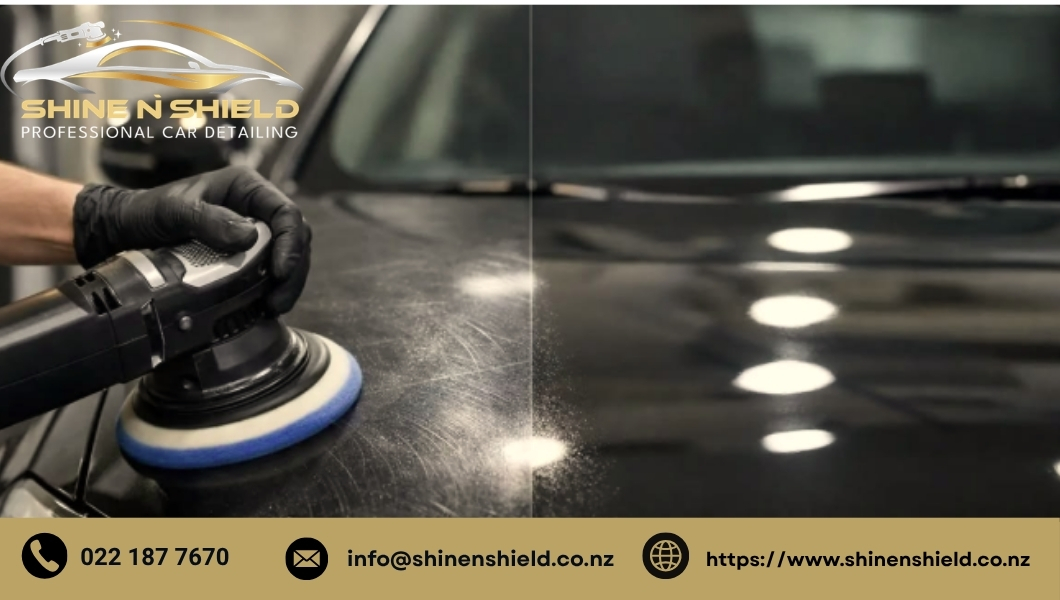
Once the interior is looking fresh again, you may also notice imperfections on the exterior, where Paint Correction can help improve the appearance of suitable paintwork.
How Does Professional Interior Sanitizing Work?
A good interior sanitising process should be methodical and tailored to the vehicle, not just a one-size-fits-all application of cleaning spray. Different materials require different treatments, and the vehicle’s current condition plays a role in the chosen methods.
1. Inspect the Interior
The first step a detailer will take is to carefully inspect the interior of the car. They will be looking for any stains, spills, pet hair, areas of heavy dirt, as well as the general condition of the upholstery and other materials. This inspection dictates which specific products and techniques will be used.
2. Remove Rubbish and Loose Debris
Before any deep cleaning can begin, it’s important to remove any loose rubbish and other personal items. Floor mats may also be taken out to ensure that the area beneath them receives equal attention.
Having a clear cabin space helps with the efficiency of the cleaning process.
3. Vacuum the Interior
With the vehicle clear of loose debris, the next step is a thorough vacuum. This will target any dirt and loose particles from the seats, carpets, floor mats, and in hard-to-reach areas such as the seat rails and gaps between seat sections.
Removing loose dirt is the crucial first step to preparing the interior for a more detailed clean.
4. Clean the Hard Surfaces
This stage involves carefully cleaning all hard surfaces inside the car, including the dashboard, centre console, door panels, controls, and steering wheel. A clean that is tailored to the material (whether it’s plastic, vinyl, or another type of finish) is important to avoid damage and ensure effective results.
Care is also taken to avoid getting liquid into sensitive electronic controls.
5. Treat Upholstery and Carpet
Finally, for any fabric seats, carpets, or floor mats, a more focused cleaning approach may be necessary. If there are stubborn stains or heavily soiled areas, appropriate products and techniques will be employed to address them, taking into account the specific fabric type. For leather or vinyl seating, their own respective cleaning procedures will be used to preserve their condition and cleanliness.
This is one reason a professional interior service can be useful when a vehicle has several different materials inside.
6. Inspect the Cabin Again
After cleaning the rest of your interior, you will want to recheck all of your surfaces. If there were any stains that took a while to get up or if there is dirt still present in an overlooked crevice, then they can be targeted with the additional round of cleaning. Rechecking makes for a consistantly clean and detailed interior without leaving parts of the cabin ignored.
Things to AVOID When Cleaning Your Car Interior
More cleaning product on your sponge or cloth does not mean a cleaner interior. In many cases it simply can make things worst or the wrong products can cause harm. Some home cleaning products aren’t necessarily good for your auto interior because some chemicals do damage your car interior surfaces, color and texture. Keep the following tips in mind when cleaning the interior of your auto:
- don’t use too much water on your car upholstery or carpet
- do use the proper chemicals made specifically for the auto interior material
- don’t aggressively rub surfaces made with very delicate textures
- refer to your vehicles owner manual if you have any questions about how to care for your cars interior
- don’t put excess liquids on your vehicles electronic controls
- don’t put cleaning chemicals directly into your electronic control panel
- don’t purchase fragrances, they do nothing to eliminate smell, they only mask them
- don’t put the same cleaning products all over every part of the cars interior
This makes it very clear; simply remove the dirt and don’t damage the material below it!
Why a Quality Cleaning Product is Important for Your Cars Interior
A variety of surfaces that reside inside of your auto will behave differently and some will need a little bit of extra care. Fabric has a way of holding moisture, while your cars leather interior will take damage if not taken care of.
Keep these points in mind:
- Avoid using excessive water on carpets and upholstery.
- Choose products that suit the specific material.
- Do not scrub delicate surfaces too aggressively.
- Follow the vehicle manufacturer’s care instructions.
- Keep liquids away from electrical controls.
- Do not spray cleaning products directly onto electronic components
- Avoid strong fragrances that simply cover persistent smells.
- Do not use one cleaning product on every surface.
The aim is simple: remove dirt while taking care of the material underneath it.
Why Does the Right Cleaning Product Matter?
Not every surface inside a car behaves in the same way.
Fabric can absorb moisture. Leather needs suitable care to protect its finish. Plastic and vinyl can also have different textures and surface treatments.
For that reason, choosing a product should come after identifying the material.
A stronger chemical is not automatically a better cleaner. In many cases, the right product, used in the right way, will do a better job.
This approach also reduces the chance of damaging an interior while trying to improve it.
For owners who want to take exterior care further, Graphene Coating Hamilton can be another option to consider as part of a wider vehicle protection routine.
Can You Maintain Your Car Interior Yourself?
Yes. You can handle many basic cleaning tasks at home.
You do not need professional equipment for every little mess. Regular maintenance can also prevent dirt from becoming harder to remove later.
Try to:
1. Remove rubbish after each trip.
2. Clean spills as soon as you notice them.
3. Vacuum the seats and carpets regularly.
4. Shake out or clean floor mats.
5. Wipe high-touch surfaces when they become dirty.
6. Check underneath the seats from time to time.
7. Keep wet items from sitting on upholstery.
8. Deal with food crumbs before they collect in gaps.
These small habits make a difference.
However, home cleaning has its limits. Heavy stains, embedded pet hair, persistent odours and heavily soiled upholstery can take more time and the right equipment.
Once the interior is under control, exterior protection such as Ceramic coating Hamilton can also help support a more complete vehicle care routine.
When Is Professional Interior Cleaning Worth It?
A DIY clean works well for routine maintenance. Sometimes, though, the interior needs more attention than a household vacuum and a few wipes can provide.
Professional interior cleaning may be useful when you notice:
- Heavy or recurring stains
- Persistent odours
- Embedded pet hair
- Deep dirt in carpets
- Grime around seat rails and narrow gaps
- Heavily used upholstery
A cabin that has not received a detailed clean for a long time
If you regularly drive around Hamilton, a professional Interior car cleaning Hamilton service can give the cabin more detailed attention when routine maintenance is no longer enough.
The same principle applies to the outside of the vehicle. Interior care is one part of keeping a car in good overall condition. Exterior services can help protect and maintain the bodywork too.
Keeping Your Car Interior Fresh Between Details
A professional clean gives you a good starting point. What you do afterwards can help keep the interior that way.
Don’t just leave litter to mount up in your door bins or the cubby hole in the centre console.
Wipe up spills as soon as you can – especially if they hit fabric upholstery.
Vacuum more often than you think before the muck has a chance to fully set into the fabric but be conscious of where your hands do the most touching: the steering wheel, gear-stick, and arm rests, door-pulls and centre armrest are often used constantly so an efficient quick clear of these areas will pay dividends down the line.
If you also keep up with regular exterior maintenance, a professional Car wash Hamilton service can complement your interior care routine.
You do not need to make vehicle cleaning complicated. Small, regular jobs are usually easier than trying to deal with months of accumulated dirt at once.
Interior Care and the Rest of Your Vehicle
Protection is another part of long-term vehicle care.
Another option is Paint Protection Film (PPF), which can provide an additional layer of protection for selected painted areas that face regular road exposure.
These services are separate from interior sanitizing. They simply show how different parts of vehicle care can work together.
How Often Should You Sanitise Your Car Interior?
There is no single schedule that suits every vehicle.
A car used for a daily commute will usually collect more dirt than one driven only occasionally. Family vehicles can also need more frequent cleaning because of food, drinks and general passenger use.
Pet owners may notice another type of buildup. Fur, dirt and odours can become more noticeable after regular trips with a pet.
Instead of following a strict calendar, pay attention to the condition of your cabin.
A basic routine might look like this:
Every few days: Remove rubbish and obvious debris.
Weekly: Check floor mats and high-use areas.
Every few weeks: Vacuum the interior thoroughly.
As needed: Deal with spills and stains quickly.
Periodically: Arrange a deeper interior detail when the cabin needs it.
I think a more adaptive method is a better choice than treating all cars the same way.
Final Thoughts
A clean vehicle interior requires much more than vacuuming and a wipe down of the dashboard. Dust, food debris, oils, moisture, stains and dirt can easily accumulate within many parts of a vehicle which go overlooked.
Interior sanitizing brings a new level of care to these areas and helps to ensure the vehicle’s cabin looks and feels clean and fresh once more.
Many straightforward cleaning tasks you will be capable of performing yourself, though for embedded staining, odors or accumulated dirt and pet hairs, more specialized professional detailing service might be advisable.
This said, it is simply necessary to approach each surface with the correct cleaning procedure, and maintaining it,
you’ll be able to ensure comfort each time you drive, whether it be for commuting around the region of Hamilton or for travelling further afield.
Frequently Asked Questions
What is interior sanitizing?
Interior sanitizing is a detailed cleaning process for the inside of a vehicle. It can cover upholstery, carpets, floor mats, touchpoints, hard surfaces and difficult-to-reach areas.
How often should I sanitise my car interior?
It depends on how you use your vehicle. Daily commuting, family trips, pets, food and frequent passengers can all increase the need for deeper interior cleaning.
Can I sanitise my car interior myself?
Yes. You can vacuum, remove rubbish, clean suitable hard surfaces and deal with small spills at home. Professional detailing can help with heavier stains, odours, pet hair and deeper dirt.
Can interior sanitizing remove bad smells?
It can help when an odour comes from spills, dirt, upholstery, carpets or other removable residue. The source should be addressed rather than simply covering the smell with an air freshener.