Your vehicle can look crisp and finished with the added element of metal parts. But with time these can appear lost in a blink. Brake dust, road grime, moisture, water spotting, oxidation, and simply a regular daily exposure, a vehicle’s metal componentry could very quickly appear hazy, dull, and neglected.
Metal polishing Hamilton services can restore appropriate metal surfaces through effective cleaning of contamination, and the removal of light surface oxidation, creating a better appearance.
For drivers that spend time on the road and live in or around Hamilton or the Waikato, regular attention can do wonders. Daily commuters, road trippers or anyone driving frequently enough can pick up all sorts of debris that standard wash cycles fail to completely strip.
For areas exposed to road debris, Vehicle Chip Protection Hamilton can also be considered as part of a wider approach to maintaining vulnerable vehicle surfaces.
What Does Metal Polishing Entail?
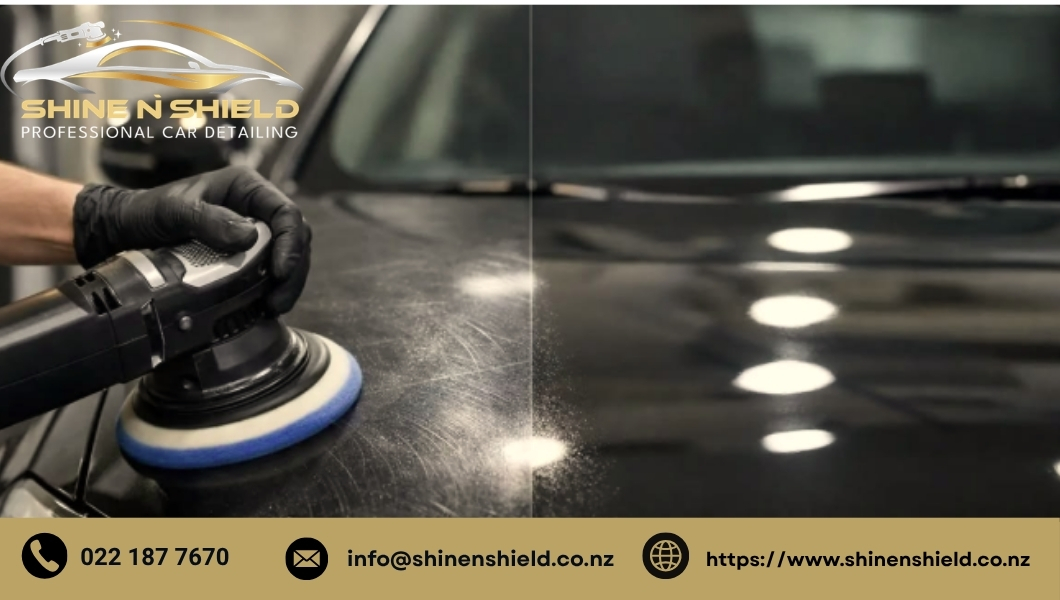
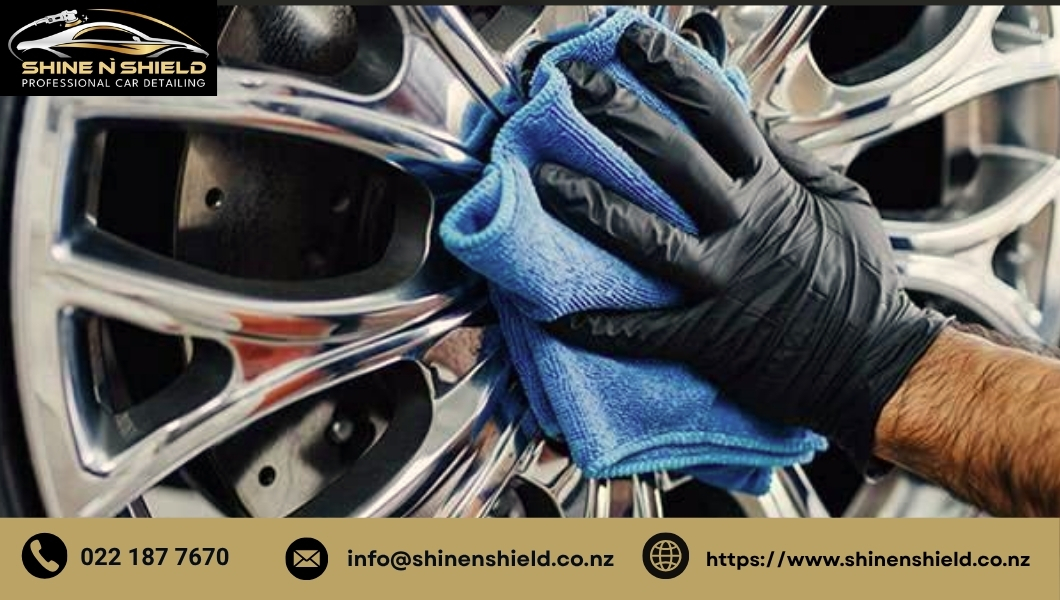
Metal polishing is the procedure that clean as well as finish suitable steel surfaces, making them come to be sharper and clearer. It can restore the brilliance as well as sparkle to any suitable metal that has begun to fade or lose its glimmer due to wear. Unlike normal washes, polishing interacts directly with the actual conditions of the material itself; a detail specialist could employ different sorts of compounds, toolings, equipment, and even strategies in cleaning and refining it depending on the form of metal on use.
The ultimate goal is to ensure that the metal aspect appears clean for an prolonged period rather than momentarily.
This strategy needs consideration over kind of product as well as status; bare steel will have a dissimilar method in cleaning contrasted to stainless-steel parts. This is similarly genuine when working with coated or even repainted components, or perhaps uncoated aspects.
Why do motor vehicle’s metallic parts develop into dullness?
The material parts used on vehicles see all type of exposure whilst frequently driving over all of the road and the terrain below, the place dust, brake dust, etc., build upon the very surface. Varying moisture level conditions, such as changing climate levels, will create the material begin to oxidize, and over time this, combined with different other elements, leads to dull and boring looks which no motorist can ignore.
- Road dirt and grime
- Brake dust
- Water spots
- Oxidation
- Fine surface marks
- Environmental contamination
- Poor cleaning techniques
- Long periods without maintenance
- Exposure to moisture and road conditions
Your parts could still be physically sound when the surface condition has degraded-sometimes an operation such as polishing will resolve this for you while saving replacement part.
However, this is not suitable for all forms of wear damage; corrosion, especially deep pitting; deep scratches; or damaged surface coatings.
Which of Your metal parts can be polished:
The application will depend on your vehicle and type of material the parts are manufactured from and common areas can include:
- Aluminium components
- Metal trim Exhaust components
- Certain wheel surfaces
- Stainless steel parts
- Decorative metal finishes
- Selected engine bay components
It’s not all bare metal out there. Some of those seemingly gleaming components have clear coatings, paint, anodise or similar treatments.
And the difference is important.
What would work on bare aluminium wouldn’t work at all on an anodised part or on something that is painted to look like a certain metal. You need to work out what’s what, and what finish it is prior to applying any polish.
Aluminium & Stainless Steel
Metal polish on Aluminium Aluminium can oxidise and fade. When appropriate with the surface it’s on, careful polishing can bring out an original shine that is sometimes hidden away.
Aluminium polishing. It looks far cleaner.
Metal polish on stainless steel Stainless steel water spots, grime and dullness also all a place. You need to polish this too, the right way.
Stainless steel polished – looking so much better! The simple truth is that metal polishing works, you just need to use the right one to do it for a specific metal.
- Working aggressive compounds on the wrong surface will do more harm than good, if you can’t tell what metal or coating your working with then get it professionally done.
- Top Metal Polishing Mistakes (Most people use aggressive)
What do we do for a professional metal polish service?
In the main, a professional metal polisher will never just start applying the product. They will assess first…
- Inspect the Metal This first assessment of the surface helps a detailer understand oxidation levels, damage such as scratches or pitting, stains or coatings etc. All these will inform the next steps of the job to work out if metal polishing is even a possibility.
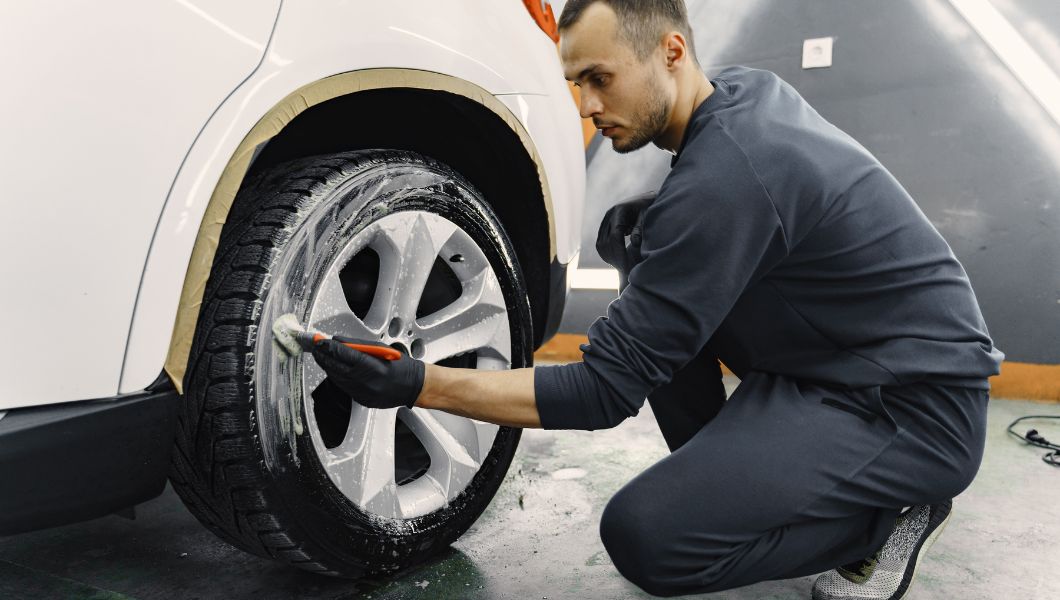
- Clear Off Existing Contamination There may be dirt, grit, dust or other loosely adhering contamination sitting on the surface and prior to commencing any polishing we need to remove this. Removing existing contaminants removes friction from the job and importantly you’re less likely to drag debris across your finished work.
- Select polishing tools, compounds etc. Different metals reacts to different polish mediums and equipment, that could mean selecting the right pad, compound or deciding to hand polish for example.
- Work the Surface Carefully The polishing stage gradually refines the surface. The aim is to improve clarity and shine without unnecessarily removing material or damaging the existing finish.
- Inspect the Result After polishing, the surface should be checked under suitable lighting. This helps identify remaining oxidation, marks or areas that may need further attention.
- Clean and Maintain the Finished Surface Once the polishing work is complete, the surface should be cleaned appropriately. Further protection may also be considered depending on the metal and its intended use.
Metal Polishing vs Regular Cleaning: What’s the Difference?
Regular cleaning and metal polishing serve different purposes.
Regular Cleaning Metal Polishing Removes loose dirt and grime Refines the metal surface Focuses on surface cleanliness Focuses on appearance and surface condition Suitable for routine maintenance Used when metal has become dull or oxidised Usually requires less equipment May require specialised compounds and tools
Maintains the existing appearance Can improve a neglected finish Regular cleaning should come first. There is little benefit in polishing a surface that still has heavy dirt and contamination on it. A clean starting point allows the polishing process to work more effectively.
Regular maintenance also makes it easier to keep polished surfaces looking their best, and Car cleaning Hamilton services can help when the vehicle needs more than a quick wash at home.
Can You Polish Vehicle Metal Yourself? Yes, some simple metal polishing tasks can be handled at home.
Can You Polish Vehicle Metal Yourself?
Yes, some simple metal polishing tasks can be handled at home.
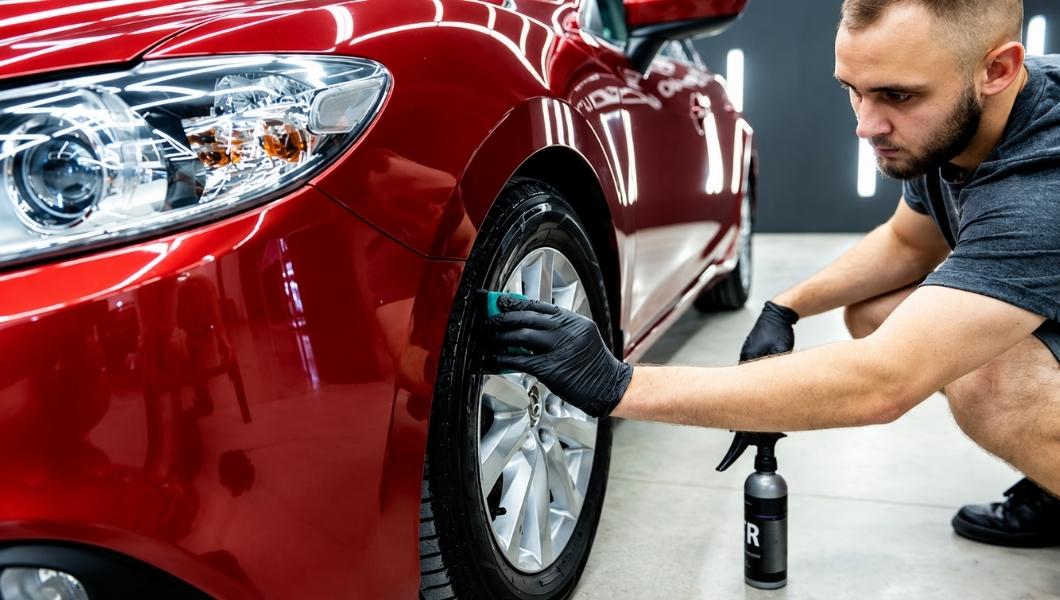
You may be able to simply remove, clean and polish a small, readily available piece of suitably exposed bare metal with the right cleaner and micro-fibre cloth. Still, it is a good idea to inspect the finish first.
You should be particularly careful with:
- Coated metal Anodised aluminium
- Painted surfaces Delicate finishes
- Deeply oxidised metal
- Surfaces with heavy corrosion
A shiny finish isn’t achieved through the most vigorous polish.
In fact, too aggressive a polish can inflict harm if not applied appropriately.
Incorrect Application
Metal polish isn’t a universal product suitable for all metal components. Always consult the product instructions, and know what the target metal is.
Polishing a Soiled Component
When a surface isn’t clean, minor particles of grit simply score the surface as it’s being polished.
A component must be rigorously cleaned before commencing on polishing.
Too much pressure application
More pressure doesn’t make the finish more superior. However, excessive pressure will often result in an uneven finish or even damage to the finer finish on some components.
Ignoring existing finishes
Many of the metal like coatings that are applied have a clear protective layer. Polishing can cut through this protective layer and change the appearance of the component.
Thinking polish will fix a damaged component.
More heavily pitted steel may require restoration, replating or even replacing altogether.
If the exterior paintwork also looks faded or lacks clarity, Cut and Polish Hamilton can address the painted surfaces separately from the metal components.
When is metal polishing professionally best used?
Metal polishing should be used if the metal has become quite dull and oxidize to a degree beyond what can simply be cleaned off with some maintenance products. It becomes very beneficial if, in turn, the surface’s appearance needs to be better, or if…
- the metal component has no longer its original brightness
- the oxidation layer is already very thick and visible
- water marks from normal washing and drying never disappear, no matter how much it’s washed
- regular cleaning doesn’t anymore work.
- the vehicle needs to be prepared for an upcoming sale
- reconditioning the vehicle’s metal parts after having being used over a couple of years
- it’s unknown which type of polish to use
Professional detailing for the vehicle appearance issues also works well if multiple vehicle factors needs to be improved for example together with correction of the paintwork and enhancement of other vehicle surfaces.
If several parts of your vehicle need attention at the same time, Car detailing Hamilton can bring different appearance-care services together as part of a more complete detailing approach.
Hamilton residents: maintaining polished metal
If the metal surfaces are once polished, further maintaining them should only be about trying to keep them from being compromised over time. There’s no need to polish all of the metal components at every single wash of your vehicle. Just maintain it.
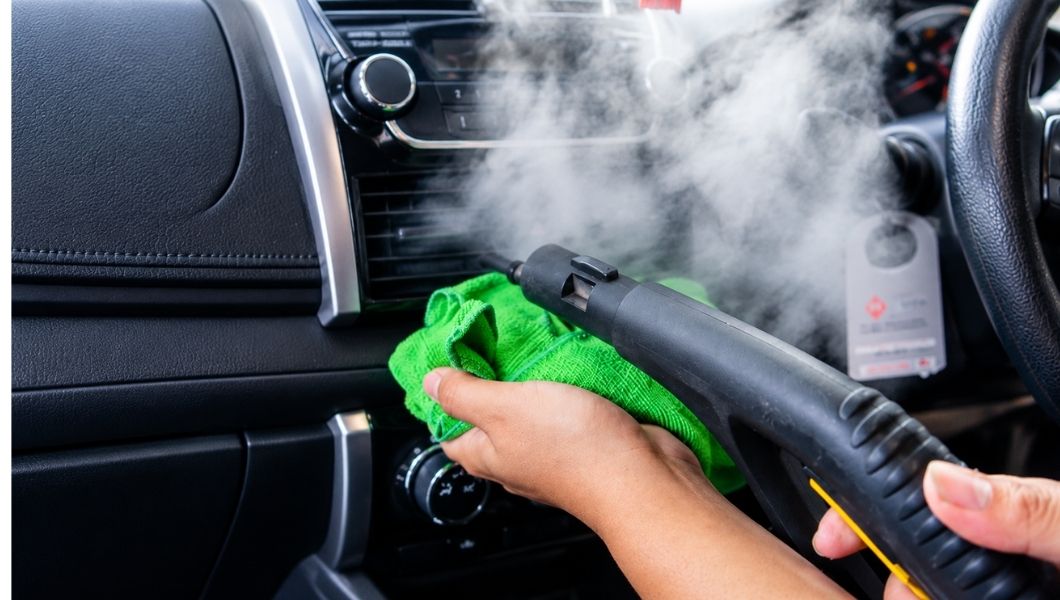
The same maintenance mindset applies inside the vehicle, where Interior car cleaning Hamilton can help keep upholstery, carpets, dashboards and other cabin surfaces in better condition.
A good maintenance routine include:
Wash vehicle on a regular basis,
Remove dirt and debris from vehicle while it’s still possible without harming vehicle surfaces,
Clean up exposed metal parts gently,
Ensure water isn’t left on surfaces where it might easily form water spots,
Don’t use damaging domestic cleaning supplies,
Keeping up with regular washing can also reduce the amount of road grime that settles on exposed metal, while a Car wash Hamilton service can provide a more thorough clean when the vehicle needs extra attention.
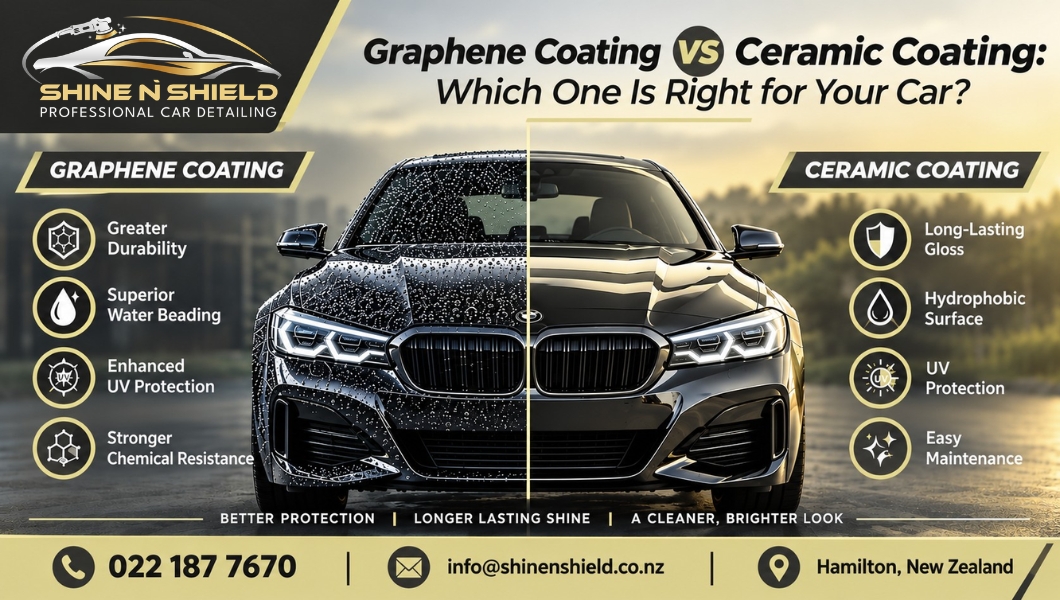
Once the vehicle’s exterior surfaces have been properly restored, Graphene Coating Hamilton may also be worth considering where an appropriate protective coating is suitable for the vehicle.
Wrap up!
Metal finishes can really complete the look of any vehicle, however they require a different type of attention. Over time road dirt, water marks, general aging as well as an accumulation of oxidation will dull even the most shiny finishes.