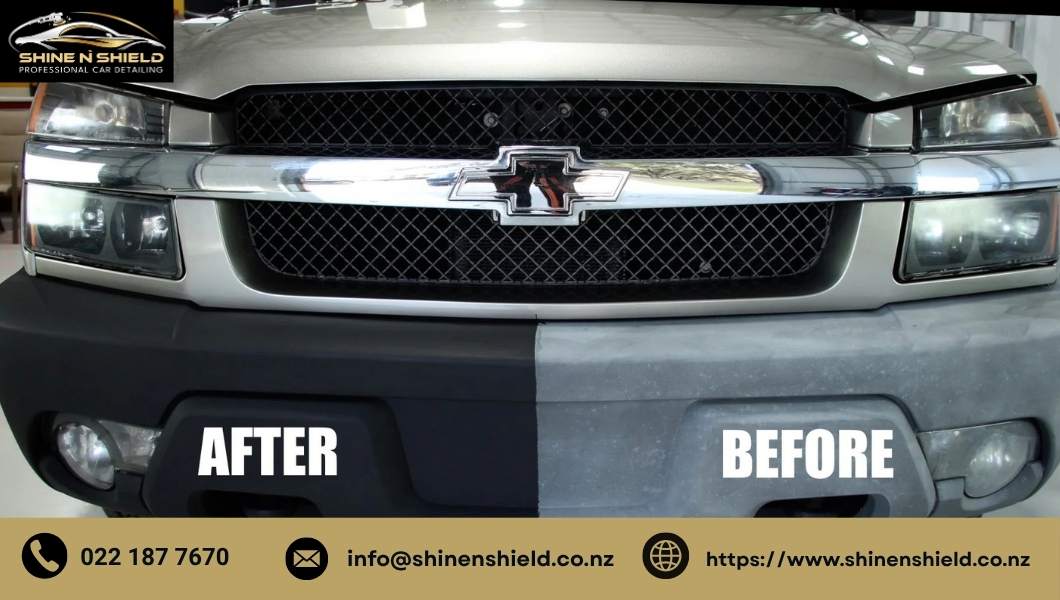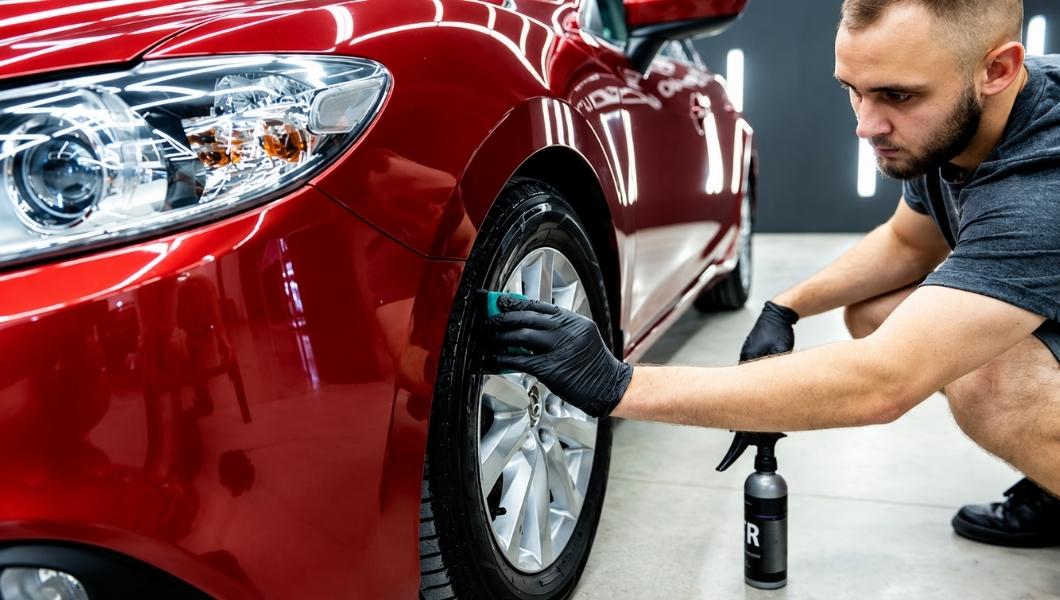
A car could be washed frequently and still look dull, lacking the initial sleek and shiny look it had when it was newer. Over time fine swirl marks, light scratching, oxidation, water spots, and other damage to your car paint can affect its glossy appearance.
To restore your car’s paint to showroom standards we use paint correction, a detail technique to enhance the visual quality of the vehicle paintwork.
For Hamilton drivers, regular road use, weather exposure and everyday washing habits can all affect the appearance of a vehicle’s paint.
What is Paint Correction?
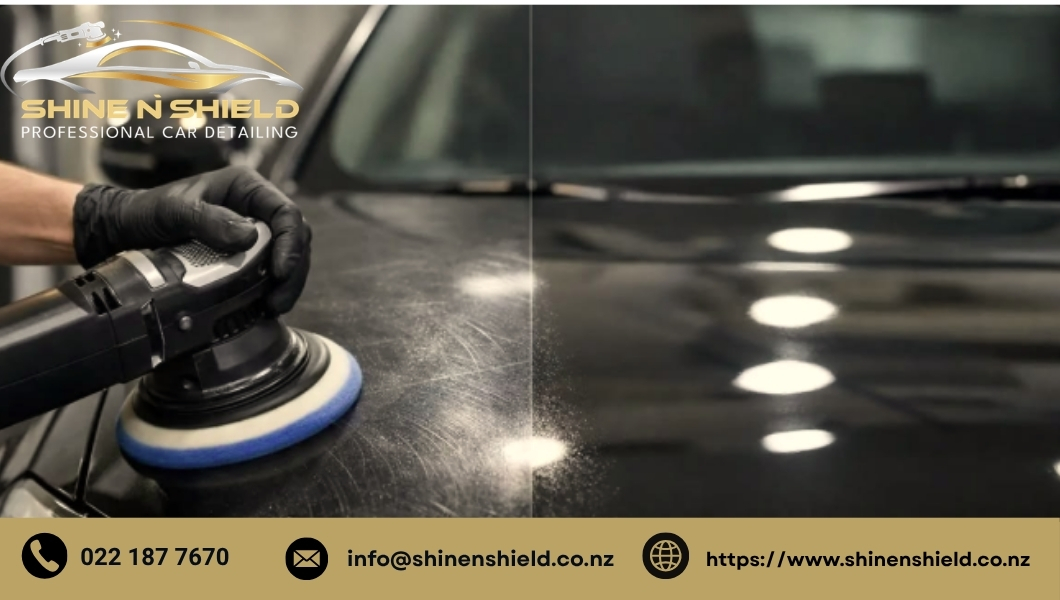
Paint correction is the practice of refinishing automotive paintwork in order to minimize and eradicate surface imperfections thus enhancing gloss, clarity and reflection. This is not simply a basic wash.
Instead, polishing compounds and machine polishing techniques may be used to refine the upper portion of the paint system.
- Fine swirl marks
- Light wash scratches
- Paint haze Oxidation
- Water marks
- Light surface marring
- Dull or uneven-looking
- paint Reduced gloss and clarity
Why does car paint lose its shine?
A vehicles paint can start to lose its luster and become dull when it is continuously exposed to contamination, washing, the elements, sun light and general road use.
Even a regularly hand-washed vehicle will slowly start to accumulate imperfections within the paint work over time.
For example when you wash your vehicle you could introduce very fine marring in the paint work from dirt particles dragging across the paint on your wash mitt or cloth, a low quality wash mitt, a dirty wash towel or an aggressive drying technique.
Likewise, exposure to the elements may also impact the surface finish.
A vehicle commonly driven on the streets and roads of Hamilton and surrounding Waikato regions will be subject to: road grime, dust, rain, bird droppings, industrial fallout and much more.
If these are left on the paint for too long, the surface can become harder to maintain.
This is why regular washing matters. However, washing alone cannot reverse existing paint defects.
What Paint Imperfections Can Be Corrected?
Not every paint defect can be completely corrected through paint correction. However, many light surface imperfections can be reduced or improved when the paint is professionally assessed and polished.
Paint correction works best on imperfections that are within the level of the paint that can safely be refined. Swirl marks Swirl marks are fine circular or spider-web-like marks that become especially visible under direct light.
They are commonly caused by improper washing and drying techniques.
Dark-coloured vehicles often make these imperfections particularly noticeable. Light scratches Some shallow scratches can be reduced significantly through polishing.
However, a deeper scratch may have penetrated beyond the area that can safely be polished.
If a scratch catches strongly on a fingernail, it may require a different repair approach. Oxidation and dull paint Older paint can lose clarity and appear faded or chalky.
Depending on the paint system and its condition, polishing may improve the finish considerably. However, severely damaged or failing paint may require refinishing rather than correction.
Water marks
Mineral deposits can manifest as permanent spots or etching on automotive paint. Certain marks can be eliminated through proper compounding and polishing.
Others may have etched into the paint and require more correction work.
How Does Paint Correction Work?
A professional paint correction process usually involves inspection, preparation, test polishing and controlled refinement of the paint.
Others may have etched into the paint and require more correction work.
How Does Paint Correction Work?
A professional paint correction process usually involves inspection, preparation, test polishing and controlled refinement of the paint.
The exact process varies from one vehicle to another. A typical workflow includes the following stages.
1. Paint inspection
The vehicle is first inspected under suitable lighting.
The condition of the paint is assessed, including scratches, swirls, oxidation and previous repair work.
This helps determine how much correction is realistic.
2. Thorough washing
The vehicle is cleaned to remove loose dirt and road contamination.
This stage is important because polishing over a dirty surface can introduce additional marks.
3. Decontamination
If bonded contaminants remain after washing, additional preparation may be required.
The goal is to create a cleaner and smoother surface before machine polishing begins.
4. Paint preparation
Sensitive areas, trim and other parts of the vehicle may be protected before polishing.
The paint is then assessed again under appropriate lighting.
5. Test spot
A small area can be polished first to determine which combination of pad, compound and machine settings produces the desired result.
This is an important part of professional detailing.
Instead of automatically using the most aggressive method, the least aggressive effective approach can be selected.
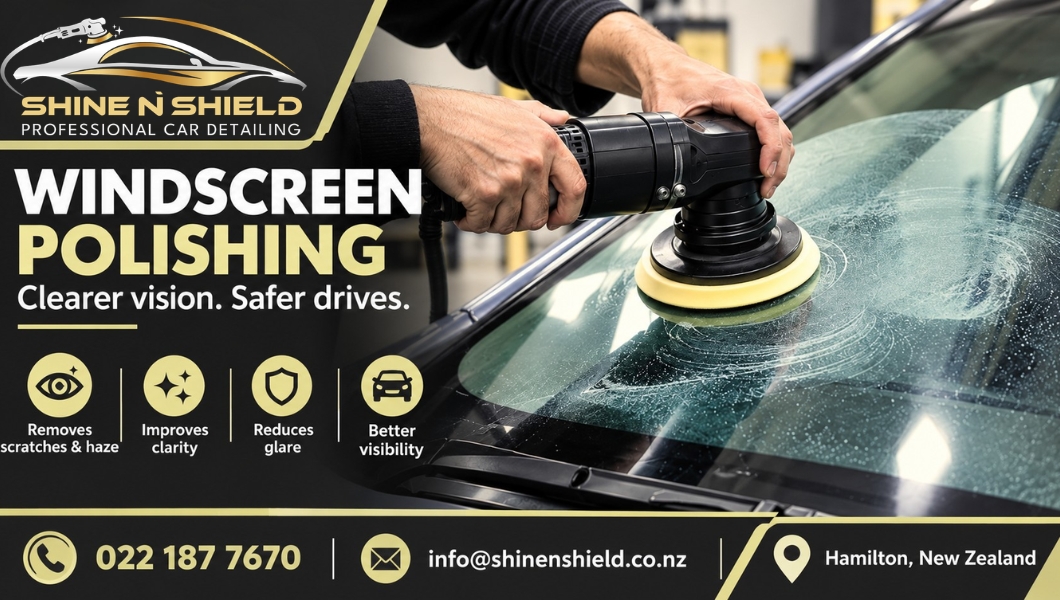
6. Machine polishing
The paint is gradually refined using suitable polishing products and equipment.
Different defects may require different levels of correction. Therefore, one combination may not be suitable for the entire vehicle.
Paint Correction Levels: Which One Does Your Car Need?
The level of paint correction should be based on the condition of the vehicle rather than simply choosing the most aggressive package.
A practical way to understand correction is through three broad levels.
| Correction level | Typical condition | Main goal |
|---|---|---|
| Minor | Light swirls, mild haze and small imperfections | Improve gloss and reduce light defects |
| Moderate | More noticeable swirls, scratches and paint dullness | Achieve a deeper level of correction |
| Severe | Heavy defects and significant paint deterioration | Maximise safe improvement where possible |
These categories are useful for understanding the process, but they should not be treated as a guarantee of a specific correction percentage.
Every vehicle is different.
Previous polishing, repainting, clear-coat condition, paint hardness and defect depth can all affect the final result.
Can Every Scratch Be Removed With Paint Correction?
No. Deep scratches cannot always be safely removed through paint correction.
Automotive paint has a limited amount of material that can be safely refined. Removing too much paint in an attempt to eliminate a deep defect can create a much bigger problem.
Therefore, the aim should be safe improvement, not aggressive removal at any cost.
A professional detailer will normally assess the defect before deciding how far correction should go.
Some scratches may only be reduced. Others may require touch-up paint, panel repair or professional refinishing.
A realistic improvement can make the paint look significantly better without creating unrealistic expectations.
Paint Correction vs Car Washing
A car wash removes dirt; paint correction addresses imperfections in the paint surface.
The two services serve different purposes.
| Car washing | Paint correction |
| Removes loose dirt and grime | Refines paint imperfections |
| Maintains surface cleanliness | Improves paint clarity and gloss |
| Can be performed regularly | Usually performed when paint needs correction |
| Uses washing products and equipment | Uses polishing compounds, pads and machines |
| Does not normally remove swirl marks | Can reduce suitable swirl marks and surface defects |
Regular washing should still be part of a vehicle maintenance routine.
In fact, good washing practices can help reduce the development of new swirl marks after correction.
If you are looking for routine exterior maintenance, a suitable Car wash Hamilton service can be considered separately from a correction treatment.
What Should You Avoid Before Paint Correction?
Poor preparation can make paint correction harder and may introduce new defects.
Before a correction appointment, avoid unnecessary polishing or aggressive rubbing.
Also, avoid using household abrasive products on automotive paint. Products designed for sinks, furniture or other surfaces may not be appropriate for modern automotive clear coats.
It is also better not to apply a heavy wax or dressing immediately before professional correction unless the detailer has advised you to do so.
The vehicle needs to be properly assessed first.
Other common mistakes
- Using dirty wash mitts
- Drying the vehicle with an unsuitable towel
- Washing in direct heat when products dry too quickly
- Scrubbing contamination aggressively
- Trying to remove deep scratches with abrasive DIY products
- Using excessive pressure during polishing
- Assuming every scratch should be completely removed
Instead, paint should be treated as a finish that needs controlled care.
Is Paint Correction Worth It for an Older Car?
Paint correction can still be worthwhile on an older vehicle if the paint is structurally sound and the expected improvement is realistic.
Age alone does not determine whether correction makes sense.
An older vehicle with faded or heavily marked paint may show a noticeable improvement after appropriate polishing. However, badly deteriorated paint, peeling clear coat or extensive previous damage may limit what can safely be achieved.
For this reason, an inspection is more useful than judging the vehicle by age.
A correction service can also make sense before selling a vehicle. A cleaner, glossier exterior can improve the vehicle’s presentation, although paint correction should not be viewed as a substitute for repairing genuine body damage.
What Is the Difference Between Paint Correction and Paint Protection?
Paint correction improves the condition and appearance of the existing paint, while paint protection is designed to help protect the finish afterwards.
These processes are often confused.
Correction focuses on refining imperfections. Protection focuses on creating a protective layer or barrier over the finished surface.
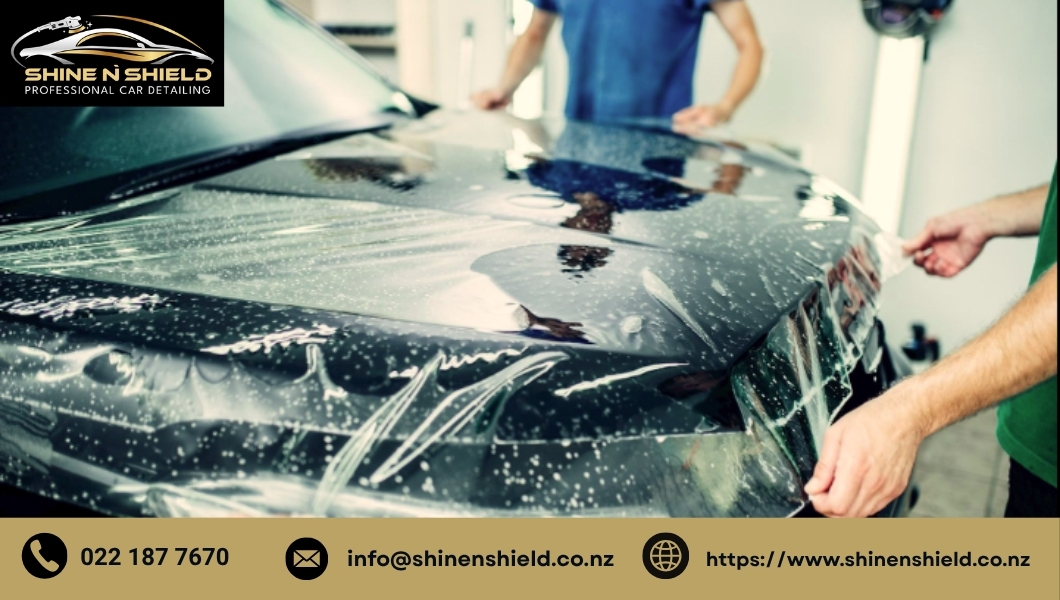
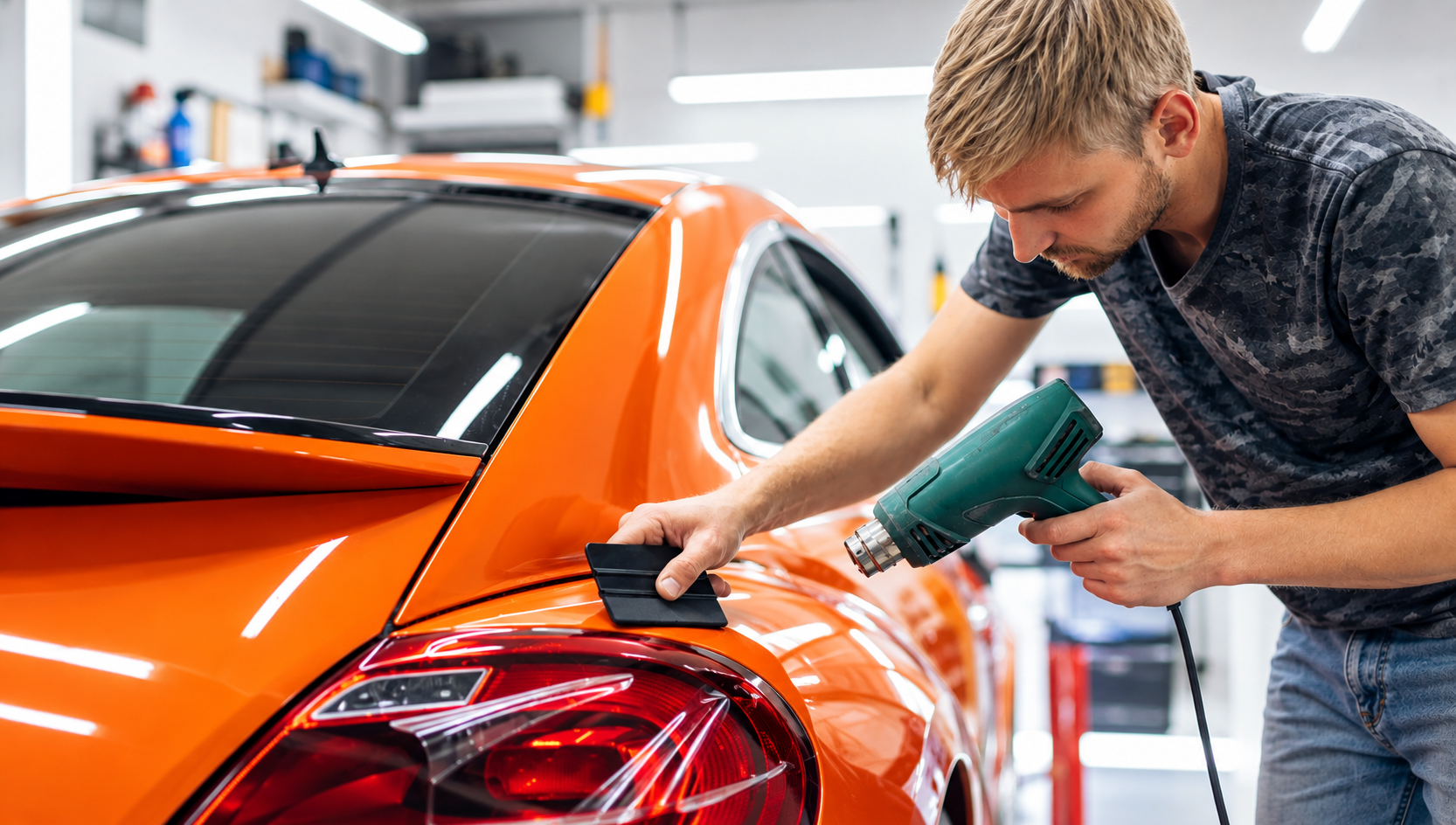
For example, Paint Protection Film (PPF) can be considered when protection from physical impacts and road debris is a priority. It is different from polishing because the film is applied to selected painted areas rather than correcting the paint itself.
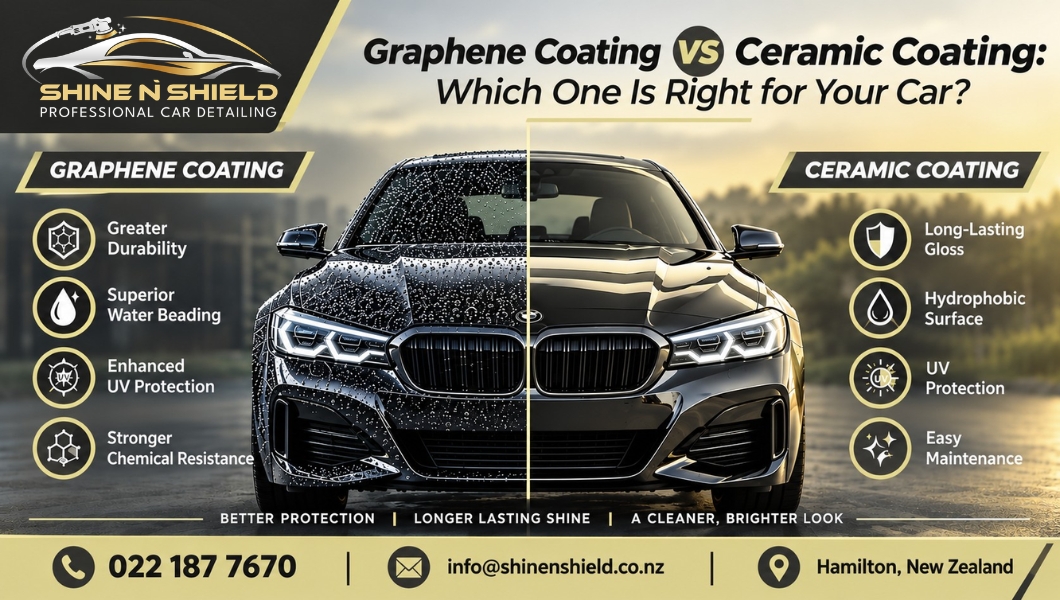
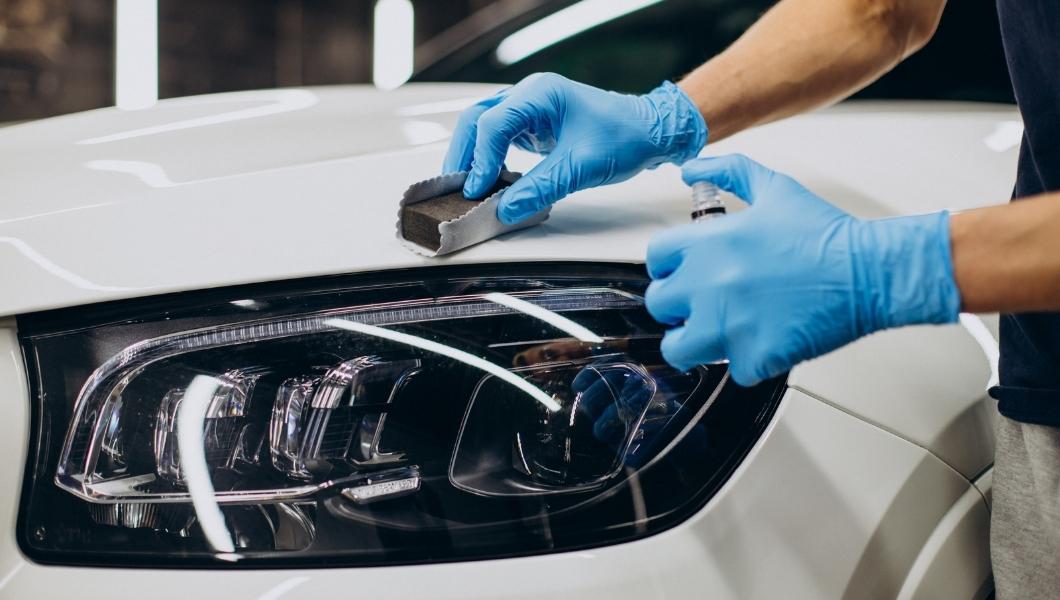
Similarly, paint protection products may be applied after correction to help maintain the improved finish.
The correct order is generally simple: prepare and correct the paint first, then protect it.
How Can Hamilton Drivers Maintain Corrected Paint?
Corrected paint should be maintained with careful washing and drying rather than aggressive cleaning.
Once the surface has been refined, everyday maintenance becomes important.
Hamilton vehicle owners can follow a few simple habits.
Wash regularly
Dirt should not be allowed to build up unnecessarily.
However, frequent washing should be done carefully. More washing is not automatically better if poor techniques are being used.
Use clean equipment
Wash mitts, drying towels and other tools should be kept clean.
A contaminated towel can drag dirt across the paint.
Avoid unnecessary pressure
Loose dirt should be removed rather than aggressively scrubbed into the surface.
Gentle contact is usually preferable.
Dry carefully
Water should be removed with suitable drying equipment and clean towels.
Leaving mineral-rich water to dry repeatedly on paint can contribute to water spotting.
Protect the finish
After correction, an appropriate protection product can help make routine maintenance easier.
Protection does not make paint impossible to damage. It simply forms part of a sensible maintenance strategy.
When Should Professional Paint Correction Be Considered?
Professional paint correction is worth considering when washing no longer restores the finish you want and visible paint imperfections are affecting the vehicle’s appearance.
It may be particularly useful when:
- Swirl marks are visible under sunlight
- The paint looks dull despite regular washing
- Light scratches have accumulated
- Oxidation has reduced gloss
- You are preparing the vehicle for sale
- You want to refresh an older vehicle
- DIY polishing has not produced the expected result
- You want paint condition assessed before applying protection
There is no need to choose the most aggressive treatment simply because it sounds more effective.
Paint Correction as Part of a Wider Detailing Plan
Paint correction is often one part of a broader vehicle appearance routine.
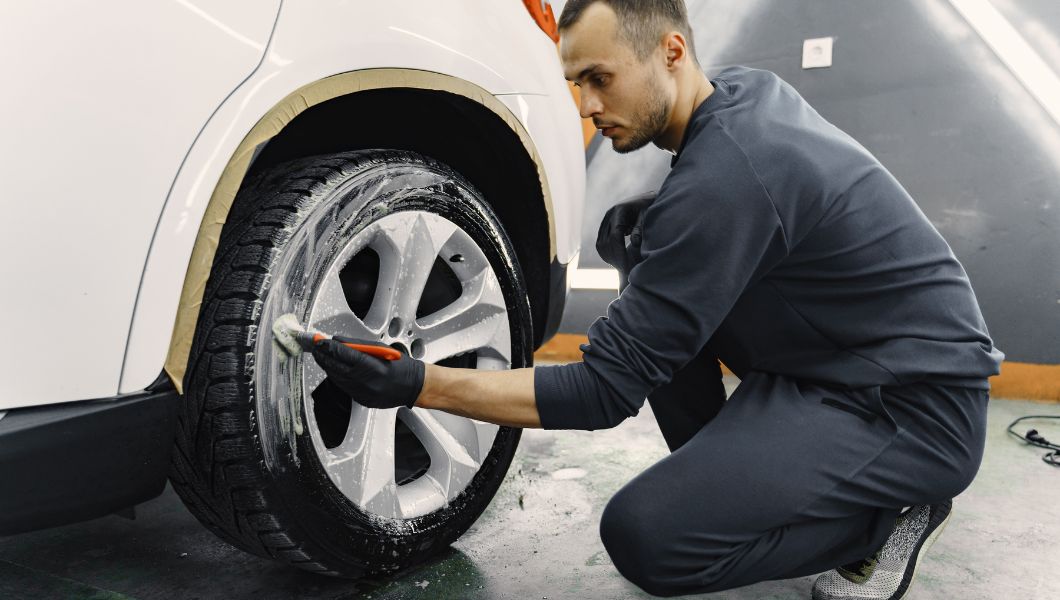
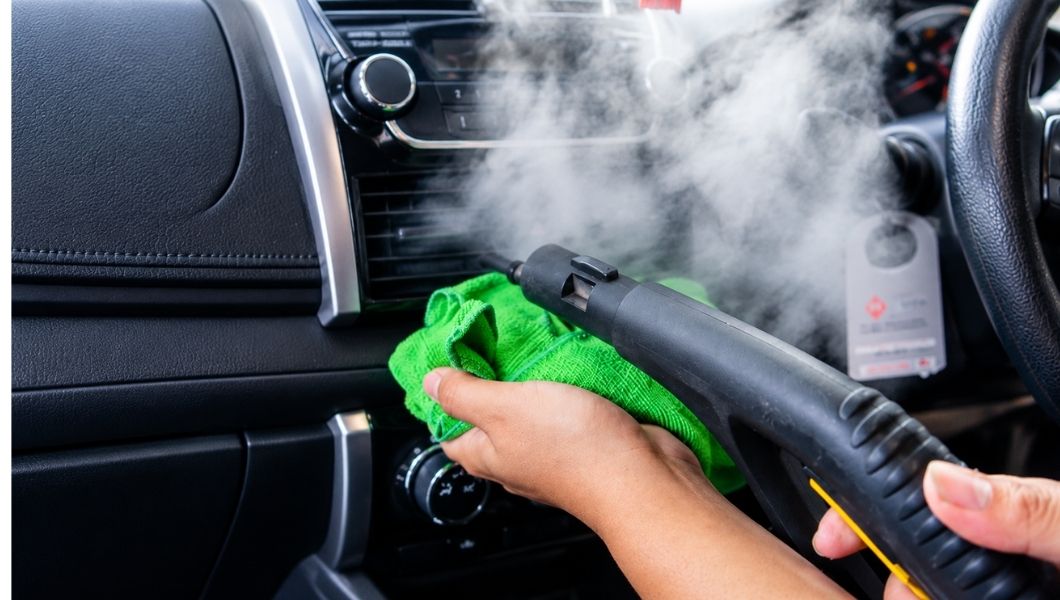
For example, an owner may combine exterior paint refinement with interior detailing, wheel care and an appropriate protection system.
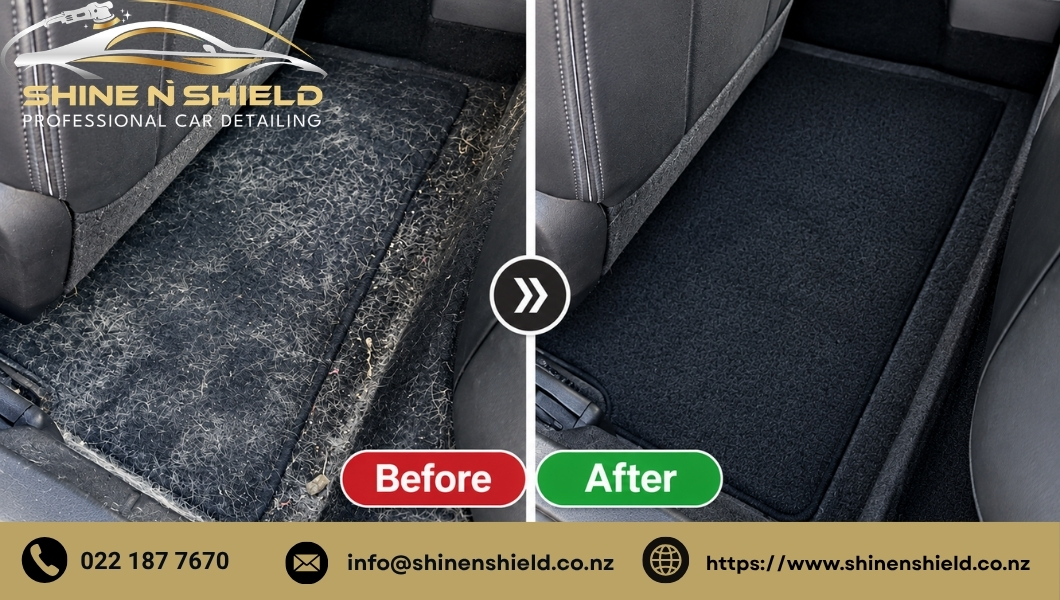
If the cabin also needs attention, Interior car cleaning Hamilton can be considered separately. This can be especially useful when a vehicle is being prepared for sale or when both the interior and exterior need a deeper refresh.
Similarly, stone chips and front-end wear may require a different solution.
Vehicle Chip Protection Hamilton can be relevant when protection against road debris is a priority.
The important point is that each service has a different purpose. Correction should not be used as a replacement for every other form of vehicle care.
FAQs About Paint Correction
What is paint correction?
Paint correction is a detailing process used to refine automotive paint and reduce suitable surface imperfections. It is commonly used for swirl marks, light scratches, haze, oxidation and reduced paint clarity.
How long does paint correction last?
The visual improvement can last for a long time when the corrected paint is washed and maintained properly. However, new swirl marks and surface defects can gradually return through poor washing techniques, environmental exposure and everyday use.
Can paint correction remove deep scratches?
Deep scratches cannot always be safely removed through polishing. If a defect extends too deeply into the paint system, complete removal may require paint repair or another professional solution.
Is paint correction the same as polishing?
Paint correction involves polishing, but it is more than simply applying polish to the vehicle. The process normally includes paint assessment, preparation, controlled machine polishing and inspection to achieve a safe level of improvement.
Final Thoughts
Paint correction can transform the appearance of a vehicle by refining suitable paint imperfections and restoring clarity, gloss and reflection. However, the best results come from realistic expectations and careful technique.
For Hamilton vehicle owners, regular washing, careful drying and suitable protection can help maintain the finish after correction. When the paint has become noticeably dull, marked or difficult to restore through normal washing, professional paint correction may be a worthwhile next step.